Source bagasse box for Restaurant, Hotel, and Takeaway Use
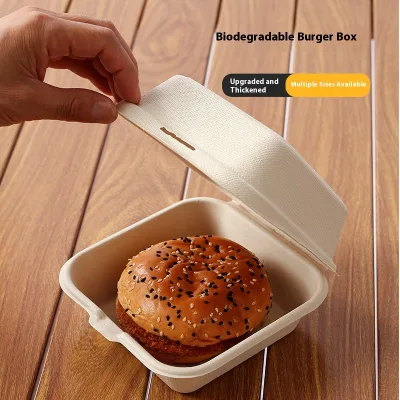
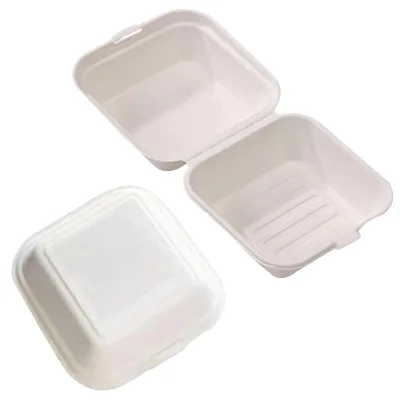
Compare 30 bagasse box options from verified Chinese manufacturers. These biodegradable food containers feature microwaveable and oilproof designs suitable for restaurants, hotels, and takeaway services.
Key considerations
Products List


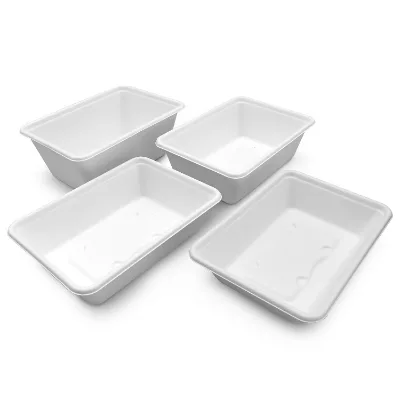
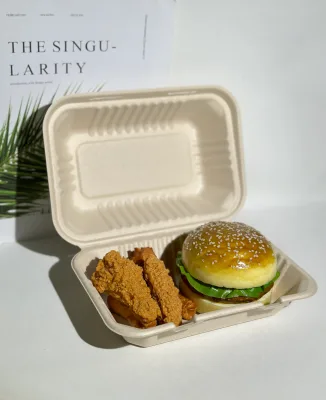


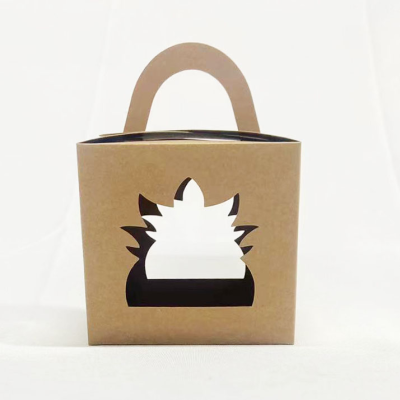
Comprehensive Sourcing Guide
Strategic Sourcing Guide for Bagasse Box Procurement
The global shift toward sustainable packaging has elevated bagasse boxes from niche alternatives to mainstream requirements for food service and retail sectors. Bagasse, the fibrous residue left after extracting juice from sugarcane, offers a compelling profile for manufacturers seeking to replace petroleum-based plastics and Styrofoam. For procurement professionals, understanding the specific technical and operational realities of this material is essential. This guide synthesizes observed market data and verified product attributes to provide a disciplined framework for sourcing bagasse containers, focusing on material integrity, regulatory compliance, and supply chain reliability.
Material Composition and Physical Specifications
The foundation of a successful bagasse box procurement strategy lies in verifying the raw material composition and physical dimensions. Unlike generic paper products, bagasse boxes are defined by their specific agricultural origin. Market observations confirm that high-quality units are constructed from food-grade kraft paper or pure bagasse fiber, ensuring the structural integrity required for hot and cold food applications. The material is inherently biodegradable and compostable, distinguishing it from plastic-coated paper alternatives that may hinder recycling streams.
Physical dimensions vary significantly based on the intended application, ranging from small condiment cups to large meal containers. Verified specifications indicate standard sizes such as 9x6 inches and 5x5 or 6x6 inches, alongside larger formats like 214mm x 140mm x 71mm. Buyers must not assume uniformity across suppliers; a container designed for a salad may differ structurally from one intended for a burger. Weight is another critical metric for logistics planning. Observed data points to unit weights ranging from 18-21 grams for lighter variants to 26 grams for more robust constructions. These variations directly impact shipping costs and storage density.
Furthermore, the color profile is typically restricted to natural or white hues, reflecting the unbleached or minimally processed nature of the fiber. While customization is available, the base material color remains a key identifier of authenticity. Procurement teams should request physical samples to verify the fiber density and surface finish, ensuring the product matches the required aesthetic and functional standards before committing to large orders.
Thermal Performance and Functional Capabilities
One of the primary advantages of bagasse boxes is their thermal resistance, a critical factor for food service applications involving hot meals or refrigeration. Technical observations confirm that these containers are safe for use in microwave ovens and refrigerators, provided the specific product design supports it. The material can withstand temperatures up to 120 degrees Celsius, making it suitable for serving hot foods without warping or leaching chemicals. This heat resistance is a distinct advantage over standard paperboard, which often requires plastic liners to achieve similar performance.
In addition to thermal stability, the functional features of these boxes include oilproof and grease-resistant properties. This is essential for packaging items like burgers, fried foods, or saucy dishes where liquid containment is paramount. The "Microwaveable Refrigerable Oilproof" attribute observed in verified product data underscores the versatility of the material. However, buyers must verify that the specific model they select explicitly lists these capabilities, as not all paper-based containers share these traits. The ability to be biodegradable while maintaining structural integrity under heat stress makes bagasse a superior choice for eco-conscious brands that cannot compromise on food safety or presentation.
Regulatory Compliance and Certification Verification
Navigating the regulatory landscape is a non-negotiable aspect of sourcing bagasse boxes for international markets. The product data highlights a robust array of certifications that validate safety and environmental claims. Key certifications observed include FDA approval for food contact, CE marking for European compliance, LFGB for German standards, and EEC directives. For buyers targeting the European market, the presence of CIQ (China Inspection and Quarantine) and specific EU standards is vital.
Environmental claims require equally rigorous verification. The "Biodegradable" and "Eco-Friendly" attributes are common, but they must be backed by recognized third-party testing. Verified data points to certifications such as OK Compost, BPI (Biodegradable Products Institute), and adherence to EN13432 standards for compostability. While EN13432 is a recognized standard, buyers should treat it as a benchmark to verify rather than an automatic guarantee, as compliance levels can vary by manufacturer.
The presence of multiple certifications on a single product line suggests a manufacturer capable of meeting diverse global requirements. However, procurement teams must ensure that the specific batch ordered carries the relevant documentation for the destination market. Relying on a supplier's general reputation without checking the certificate for the specific model number can lead to customs delays or regulatory penalties. Always request current, valid certificates that match the product model and material composition.
Cost Drivers and Order Economics
Understanding the cost structure of bagasse boxes requires analyzing the interplay between Minimum Order Quantity (MOQ), material costs, and logistics. The market data reveals a wide range in MOQs, from as low as 1 unit for sampling up to 50,000 pieces for full production runs. This variance allows for flexibility but also dictates the economic viability of the purchase. For instance, a standard MOQ of 20,000 pieces or 50,000 pieces (often requiring 50 cartons) is common for custom orders, while smaller quantities may incur higher per-unit costs or require freight collect for samples.
Lead times are another significant cost driver. Observed delivery windows range from 15 days to 25 days for orders of 50,000 pieces. These timelines can fluctuate based on raw material availability, seasonal demand, and the complexity of customization, such as adding a custom logo or specific printing. The "Custom Order" attribute indicates that personalized designs are accepted, but this inevitably extends the lead time compared to stocked, off-the-shelf items.
Pricing in the observed range spans from $0 to $41.11, though this wide range likely reflects differences in unit size, material thickness, and order volume rather than a standard price point. Buyers should focus on the total landed cost, which includes the unit price, packaging efficiency (e.g., 50 pieces per bag, 6 bags per carton), and shipping fees. The packing method, whether poly bags with paper boxes or five-layer corrugated export cartons, also influences the cost per unit and the risk of damage during transit.
Supplier Evaluation and Operational Reliability
Selecting the right supplier involves more than just comparing prices; it requires a deep dive into their operational capabilities and geographic footprint. The product data indicates origins in key manufacturing hubs such as Xiamen, Fujian, and general China locations. These regions are known for established paper and packaging industries, but buyers must verify the specific factory's capacity to meet their volume needs.
Key evaluation criteria include the supplier's ability to handle customization, such as single or two-sided printing and logo application. The "Customized Accept" and "Logo: Customized Accept" attributes suggest flexibility, but the buyer must confirm the minimum requirements for these services. Additionally, the "Stocked" feature indicates that some suppliers maintain inventory for immediate shipment, which can be crucial for urgent orders. However, for custom runs, the lead time becomes the primary constraint.
Suppliers should also demonstrate a clear understanding of their product's limitations and strengths. A reliable partner will transparently discuss the heat resistance limits, the specific certifications held for each product line, and the exact dimensions of their packaging. The "Advantage" attributes listed, such as being healthy, nontoxic, and harmless, should be supported by the aforementioned certifications rather than marketing fluff. Buyers should request a supplier audit or a detailed product specification sheet to ensure alignment with their quality standards.
Quality Control and Long-Term Procurement Strategy
Implementing a robust quality control (QC) process is essential to mitigate risks associated with bagasse box procurement. Given the natural variation in agricultural fibers, batch-to-batch consistency can be a challenge. Buyers should establish clear acceptance criteria for weight, dimensions, and structural integrity. The observed weight ranges (18-21g vs. 26g) highlight the need for precise specifications in the purchase order to avoid receiving lighter, weaker units than expected.
Long-term procurement strategies should focus on building relationships with suppliers who offer consistent quality and reliable lead times. The "Delivery Time" of 15 to 25 days suggests that planning ahead is necessary. Buyers should avoid last-minute ordering unless the supplier has a robust stocked inventory. Furthermore, the "Sample: Freight Collect" policy indicates that buyers should budget for sample shipping costs, which can be significant depending on the destination.
Sustainability should also be a core component of the long-term strategy. As regulations on single-use plastics tighten globally, the ability to source fully biodegradable and compostable packaging will become a competitive advantage. Buyers should prioritize suppliers who can provide transparent data on the end-of-life disposal of their products, ensuring that the "Biodegradable" claim holds true in the specific composting facilities available to their customers. By maintaining a disciplined approach to verification and quality control, buyers can secure a supply chain that is both economically efficient and environmentally responsible.
FAQs
What certifications do bagasse boxes typically have?
Bagasse boxes typically hold FDA, CE, LFGB, and EEC certifications for food safety. Some models also include OK Compost and BPI certifications to verify biodegradability and compostability standards for international markets.
Can these containers be used in microwaves?
Yes, many bagasse boxes are safe for microwave and refrigerator use. They are designed to withstand temperatures up to 120 degrees Celsius while remaining oilproof and structurally stable during heating.
What is the minimum order quantity for custom orders?
The minimum order quantity varies, often starting at 20,000 pieces or 50,000 pieces depending on the supplier. Some vendors accept smaller custom orders, but bulk pricing usually applies to larger volumes.
How long does it take to receive an order?
Delivery times generally range from 15 to 25 days for standard production runs. Specific lead times depend on order volume, such as 25 days for 50,000 pieces, and customization requirements.
Which materials are used to make these boxes?
These boxes are primarily made from food-grade kraft paper or pure bagasse fiber. The material is naturally biodegradable, eco-friendly, and suitable for various food applications like salads and burgers.
Are samples available for testing before bulk purchase?
Samples are available but typically require freight collect shipping arrangements. Buyers should budget for sample shipping costs and verify product quality before committing to large production orders.